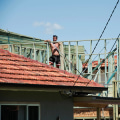
Filing an insurance claim for roof damage requires careful documentation andstrategic communication. Homeowners must assess the damage thoroughly,understand policy limitations, and maintain an organized record of allinteractions with insurance representatives. A successful claim hingeson proper evidence collection and timely reporting. The differencebetween a denied claim and full coverage often comes down to followingspecific procedural steps that many property owners overlook during thestressful aftermath of roof damage.
Recognizing Signs of Roof Damage After Storms
Homeowners must develop a keen eye for identifying roof damagefollowing severe weather events. Visual inspection should focus onmissing or damaged shingles, which frequently occur from high winds orhail impact. Examine interior ceilings and walls for water stains,indicating potential leaks that require immediate attention.
After hailstorms, look for consistent patterns of dents or cracksacross shingles. Winter damage often manifests as ice dams at roof edges or sagging areas from excessive snow weight. Check the attic formoisture accumulation, which can lead to mold development and structural deterioration.
Commercial properties present unique indicators including membranebubbling, ponding water, and compromised rooftop HVAC systems. Promptidentification allows for timely intervention, preventing escalation ofdamage and facilitating more efficient insurance claims.
Assessing and Documenting the Extent of Damage
Properly evaluating and documenting roof damage constitutes acritical first step in the insurance claims process. Homeowners shouldemploy a methodical approach to assessment, beginning with ground-levelinspections using binoculars to identify visible damage withoutcompromising safety. For thorough documentation, utilize dronetechnology to capture high-resolution images of inaccessible areas.
When documenting damage for insurance purposes, adhere to these essential protocols:
- Capture clear, detailed photographs from multiple angles, including wide-angle shots that demonstrate the overall condition
- Provide written descriptions specifying location, extent, and potential causes of each damaged area
- Record weather conditions during the incident, supporting the claim with relevant meteorological data
Documentation should extend to inspection of all roof components,including vents, pipes, skylights, and satellite dishes, as theseelements often reveal subtle indicators of storm damage.
Understanding Your Insurance Policy Coverage
Before initiating a roof damage claim, property owners mustthoroughly understand their insurance policy coverage to navigate theclaims process effectively. Most homeowners insurance includes dwellingcoverage that protects the roof against specific perils such aswindstorms, hail, fire, and falling objects.
Policyholders should identify coverage limits, applicabledeductibles, and notable exclusions. Standard policies typically exclude damage from normal wear, poor maintenance, or age-relateddeterioration. The policy's dwelling coverage limit establishes themaximum reimbursement available for structural repairs.
Understanding additional coverage options is vital, as some policiesoffer extended protection for specific risks like floods or earthquakes. Reviewing policy documents carefully helps prevent claim denials andestablishes realistic expectations regarding out-of-pocket expenses andcoverage limitations before engaging with insurance adjusters.
Temporary Measures to Prevent Further Damage
Insurance companies expect homeowners to take immediate action tomitigate additional damage after a roof incident. Emergency tarpingserves as an important first step to prevent water infiltration whileawaiting professional assessment and repairs. Thorough photographicdocumentation of the damage before implementing temporary measuresprovides essential evidence for the claims process and validates thenecessity of emergency interventions.
Quick Emergency Tarp Steps
When a roof sustains damage, implementing quick emergency tarpingmeasures becomes essential to prevent further deterioration and interior water damage. Homeowners should first assess the extent of damage todetermine appropriate tarp size, then gather necessary materialsincluding tarps, 2x4 boards, nails, and safety equipment beforeproceeding.
The installation process follows these vital steps:
- Position the tarp to completely cover the damaged area, extending at least 3-4 feet beyond the damage in all directions
- Secure the tarp by sandwiching its edges between wooden boards, creating a watertight seal around the perimeter
- Check for and eliminate any sagging areas where water could collect, ensuring proper drainage across the tarp surface
Regular inspection of the temporary covering remains vital until permanent repairs can be completed.
Document Before Repairs
Proper documentation serves as the foundation of a successful roofdamage insurance claim, creating an essential record before any repairsbegin. Homeowners should capture high-quality photographs and videosthat clearly show all damaged areas from multiple angles, ensuringvisual evidence is extensive.
Detailed written notes describing the extent and nature of the damage complement visual documentation. These should include observationsabout missing shingles, water intrusion points, or structural concerns.For emergency repairs already completed, maintain all receipts andinvoices.
While documenting, homeowners should review their insurance policy to understand coverage limitations and requirements. All communicationwith insurance representatives should be recorded with dates, names, and discussion points.
This thorough documentation approach establishes a baseline condition assessment that prevents disputes about pre-existing damage versus newdamage during the claims process.
Contacting Your Insurance Provider Effectively
Before initiating contact with an insurance provider for a roofdamage claim, homeowners should compile thorough documentation including photographs, videos, and written descriptions of the damage. Whencalling the insurance company, clearly articulating the specifics of the roof damage—including the date of occurrence, suspected cause, andvisible effects—enables representatives to properly categorize andprocess the claim. Effective communication requires preparation ofpolicy details, claim numbers, and pertinent questions to guarantee allnecessary information is exchanged during the initial contact.
Gather Documentation First
Successful roof damage claims rely heavily on thorough documentationgathered before contacting the insurance provider. Property ownersshould compile extensive evidence of both the damage and pre-existingconditions to substantiate their claim and streamline the process.
Essential documentation should include:
- Visual evidence - High-quality photographscapturing close-ups of damaged areas, wider contextual shots, and images of undamaged sections for comparison
- Financial records - All receipts, invoices, and proof of payment for emergency repairs, materials, and professional services
- Communication log - A chronological record documenting the date, time, circumstances of damage, and any relevant correspondence
Understanding policy coverage, exclusions, and filing deadlinesbefore initiating contact also enables property owners to present theirclaim more effectively and anticipate adjuster requirements, ultimatelyincreasing chances for fair compensation.
Communicate Damage Details
Establishing effective communication with the insurance providerrepresents the next critical phase after gathering documentation for aroof damage claim. Policyholders should promptly contact their insurerthrough designated channels—typically phone or online portals—toinitiate the claims process.
When communicating damage details, specificity is paramount.Claimants must clearly articulate the type of roof damage (hail, wind,water), its extent, affected areas, and potential impact onhabitability. Additionally, they should report any emergency measurestaken to prevent further damage.
Throughout this process, maintaining thorough records becomesessential. Documenting each interaction with date, time, and contentcreates an accountability trail. Following verbal discussions, sendingemail summaries to adjusters ensures mutual understanding. Thissystematic approach to communication facilitates claim processing andestablishes a foundation for potential dispute resolution if necessary.
What to Expect During the Adjuster's Inspection
Insurance adjusters play a pivotal role in evaluating roof damageclaims through a thorough inspection process. Their assessment typically includes a visual examination of the roof's exterior, interior checksfor water damage, and detailed documentation with photographs and notes.
Homeowners should anticipate three key components during the inspection:
- Comprehensive property examination - Adjusters will inspect not only the roof but also gutters, siding, and interior spaces for related damage
- Collaborative assessment - The adjuster will compare findings with the contractor's report to determine appropriate action
- Cost estimation - Based on the evaluation, the adjuster calculates repair or replacement costs that influence the final claim amount
Following the inspection, the adjuster makes a determination aboutclaim approval, which initiates subsequent repair negotiations or roofreplacement procedures.
Selecting a Qualified Roofing Contractor
Selecting a qualified roofing contractor requires verification ofproper licensing and certifications specific to the jurisdiction wherework will be performed. Homeowners should evaluate the advantages oflocal contractors who understand regional weather patterns versusnational companies with potentially greater resources. A roofing contractor with extensive insurance claim experience can navigate the documentationrequirements and negotiate effectively with adjusters to maximize theapproved scope of work.
License and Certification
When steering through the complex process of filing an insuranceclaim for roof damage, verifying a contractor's license andcertification status represents a critical step in protecting one'sinvestment. Licensing requirements vary greatly by state, with somejurisdictions mandating several years of experience, passingexaminations, and proof of insurance before issuance.
Insurance carriers typically prefer working with properly credentialed professionals for three primary reasons:
- Documentation efficiency - Licensed contractors maintain thorough records necessary for streamlined claims processing
- Regulatory compliance - Certified professionals understand and adhere to local building codes, reducing potential claim disputes
- Verification simplicity - Licenses can be verified through state licensing boards, providing assurance of legitimate qualification
Homeowners should always confirm license validity for their specificproject type, as some states differentiate between residential andcommercial roofing credentials.
Local vs. National
Homeowners frequently face a critical decision between local andnational contractors when seeking professional assistance for roofdamage claims. This choice greatly impacts project outcomes and claimexperiences.
Local contractors offer distinct advantages including communityintegration, regional expertise, and faster response times. Theirfamiliarity with area-specific weather patterns and building codes often translates to more appropriate material selection and installationmethods. Additionally, local firms typically provide more competitivepricing and personalized accountability.
National contractors counter with technological resources, extensivetraining programs, and diverse project experience. While they mayleverage bulk purchasing power for materials, they often charge premiumrates due to higher operational costs. Some national firms utilizerotating crews, potentially resulting in inconsistent service quality.
For insurance claims, local contractors generally offer moreresponsive support throughout the claims process and subsequentmaintenance.
Insurance Claim Experience
Successful roof damage claims hinge greatly on partnering withqualified roofing contractors who possess insurance claim expertise.These professionals should demonstrate proficiency in maneuveringthrough insurer requirements, documenting evidence properly, andadvocating for appropriate compensation.
When evaluating a contractor's insurance claim experience, homeowners should prioritize:
- Verification of the contractor's history handling similar claims,including their success rate with approvals and fair settlements
- Assessment of their documentation methods—contractors should utilize thorough photographic evidence, detailed written reports, andindustry-standard estimation tools
- Confirmation of their communication protocols with insuranceadjusters, including familiarity with insurance terminology andprocedures for disputing underpayments
Experienced contractors serve as intermediaries between homeownersand insurance companies, translating complex policy language whileensuring all legitimate damage is properly reported and compensatedaccording to coverage parameters.
Comparing Insurance Estimates vs. Contractor Quotes
Understanding the significant differences between insurance estimates and contractor quotes constitutes a critical step in the roof damageclaims process. Insurance estimates typically rely on standardizedsoftware calculating average repair costs, focusing primarily on basicrepairs within policy coverage limits.
Contractor quotes, conversely, derive from hands-on assessments thatconsider material quality, labor costs, and project-specificrequirements. These quotes tend to be more detailed and realistic, often resulting in higher estimates than those provided by insurancecompanies.
Sharing insurance estimates with contractors promotes transparencyand collaboration, establishing a foundation for negotiation whendiscrepancies arise. Contractors can use these estimates to identifycoverage gaps and potentially supplement claims. This collaborativeapproach helps reconcile differences between estimates, preventsdisputes, and guarantees repairs align with insurance coverage whileaddressing all necessary damage.
Negotiating Your Settlement Amount
Maneuvering the negotiation phase of a roof damage insurance claimrequires careful preparation and strategic communication with insuranceproviders. After receiving the initial offer, homeowners shouldsystematically analyze it against their independent contractor estimates to identify discrepancies that warrant discussion.
To build a compelling case for a higher settlement:
- Gather thorough documentation including detailed contractorestimates, photographs of all damage, and relevant sections of theinsurance policy that support your claim.
- Prepare an itemized list of damages that clearly indicates where the insurance estimate falls short or omits necessary repairs.
- Consider engaging a public adjuster if significant discrepancies exist, as their expertise can strengthen negotiation leverage.
If the insurer's offer remains inadequate after initial discussions,homeowners may need to pursue formal mediation or appraisal processesspecified in their policy.
Completing Repairs and Finalizing Your Claim
Once a settlement agreement has been reached, homeowners must shifttheir focus to properly executing repairs and closing out theirinsurance claim. This phase requires coordinating with licensed roofingcontractors to complete all documented repairs while guaranteeingcompliance with local building codes and insurance requirements.
Homeowners should maintain detailed records of all repair work, track expenses meticulously, and validate that the quality meets insurancestandards. Any discrepancies in workmanship should be addressedpromptly. Simultaneously, they must finalize insurance claim details byreviewing all documents, submitting any additional evidence requested,and confirming payment processing.
Throughout this process, all communication with both contractors andthe insurance company should be documented securely. Following thesesystematic steps guarantees proper claim closure and prepares homeowners for any potential future claims.
Filing an insurance claim for roof damage requires meticulousdocumentation, thorough policy comprehension, and strategiccommunication with insurers. The process demands careful selection ofqualified contractors and precise comparison of estimates againstinsurance payouts. Successful claimants maintain detailed recordsthroughout negotiations while implementing preventative measures against further damage. Following these systematic steps maximizes thelikelihood of receiving appropriate compensation and guarantees properrestoration of the damaged roof.